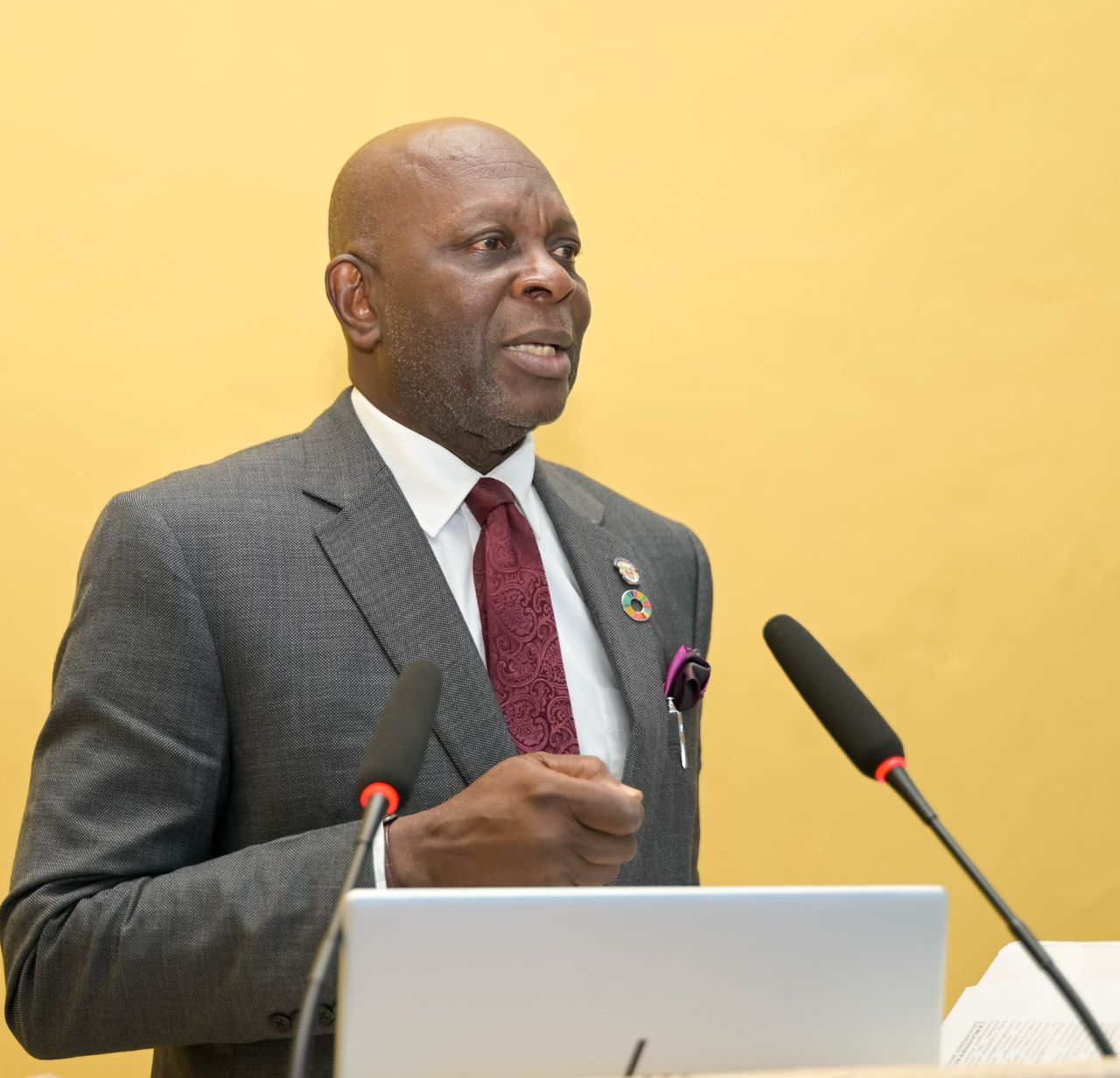
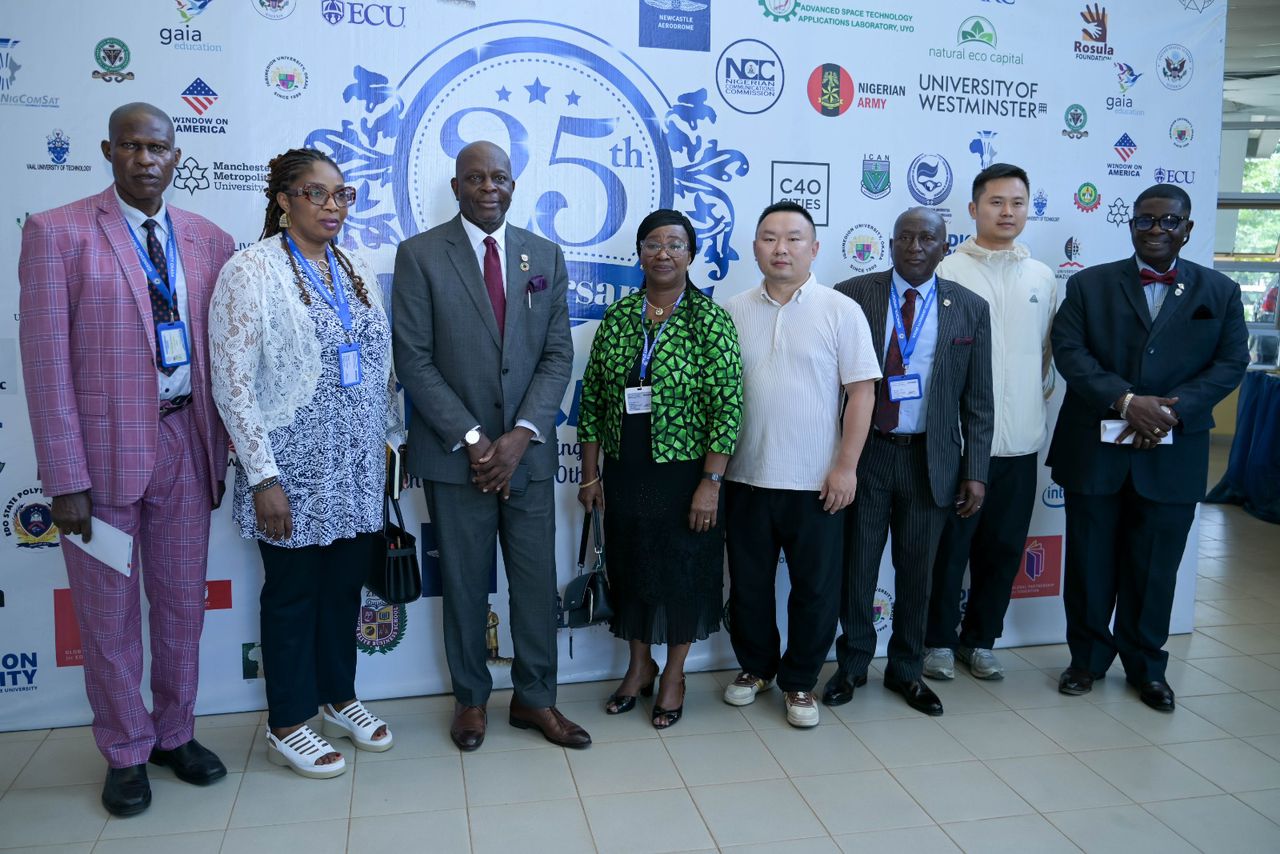
The Vice-Chancellor of Igbinedion University, Okada (IUO), Prof. Lawrence Ikechukwu Ezemonye, PhD, FAS, and Policy Officer of the Food and Agriculture Organisation (FAO) of the United Nations in Addis Ababa, Prof. Jerome Afeikhena, have strongly charged postgraduate researchers to dismantle research silos, embrace meaningful collaboration and transform academic knowledge into tangible solutions for pressing societal challenges.
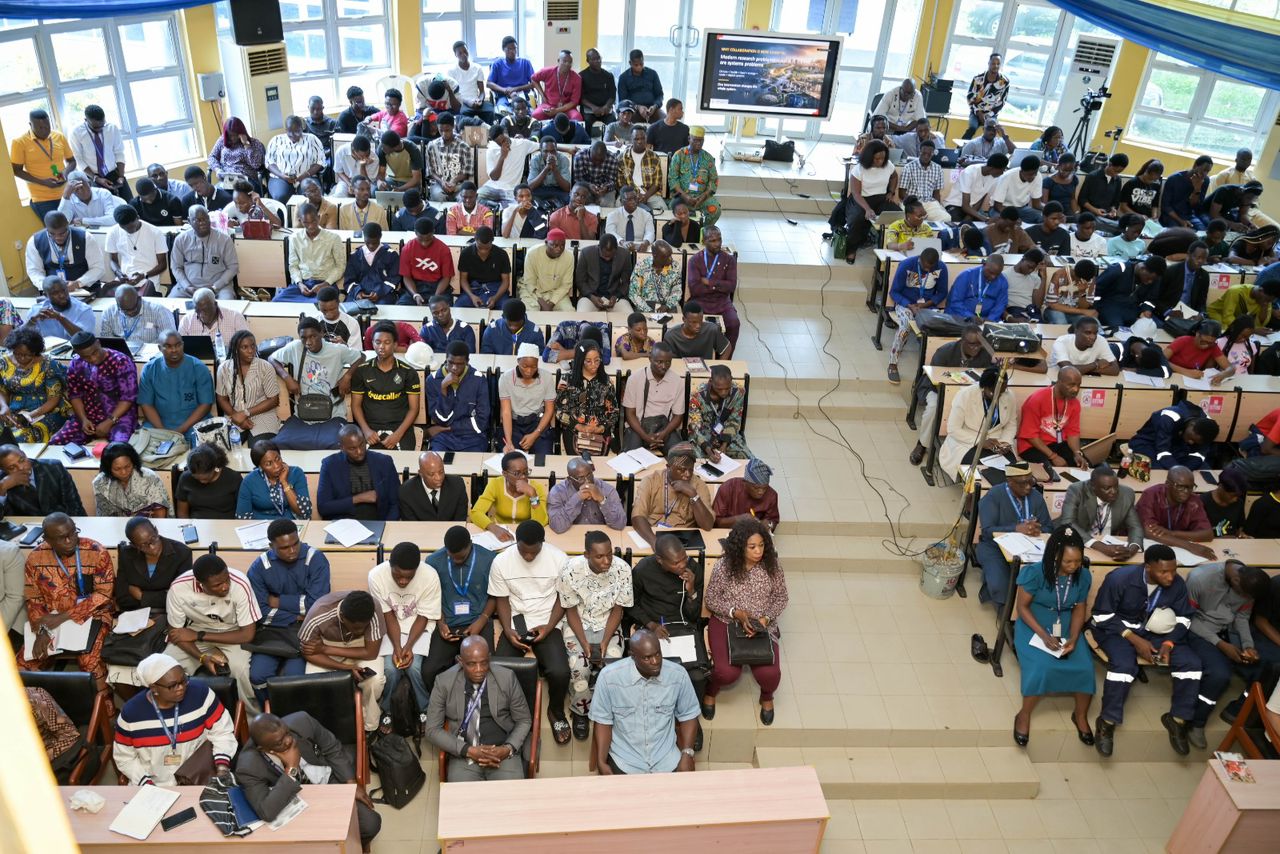
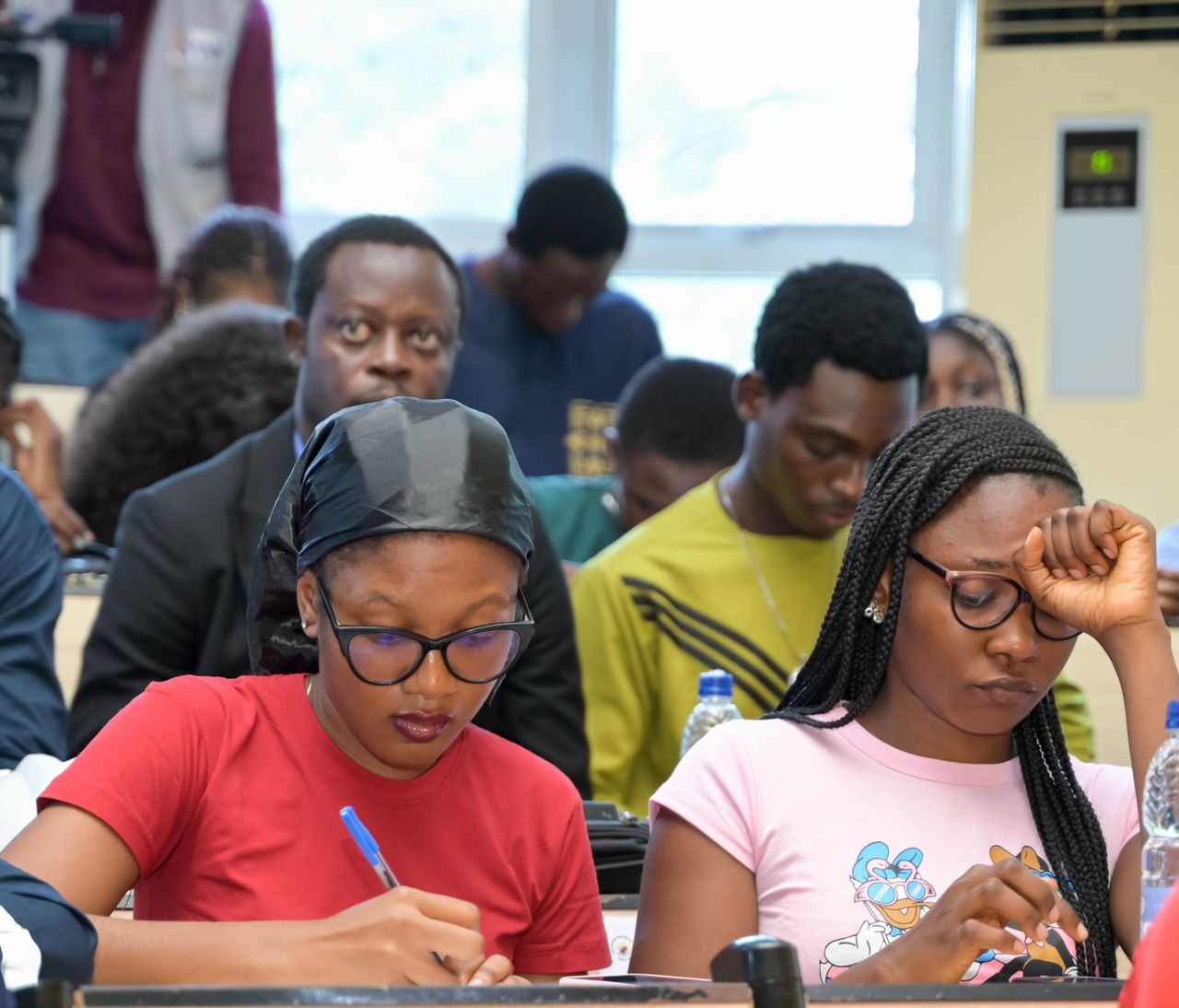
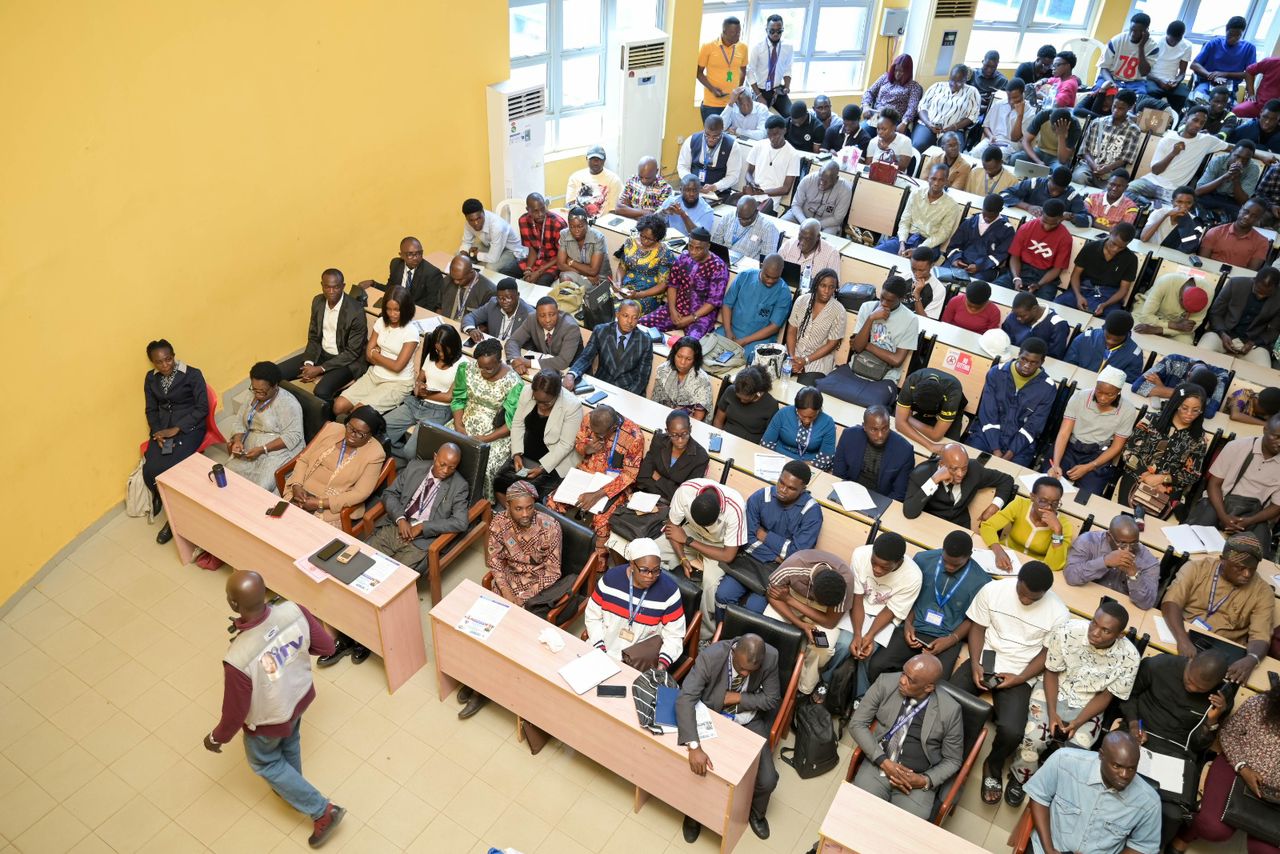
The charge was delivered on Tuesday, September 1st 2026, during a one-day high-level postgraduate webinar held at the University’s Library Conference Hall. The hybrid event, themed “Re-Enacting Research Culture: From Curiosity to Innovation,” brought together academics and postgraduate students to examine practical strategies for strengthening research culture and ensuring that research findings move beyond academic circles into real-world application.
In his paper titled “Advancing Research Through Collaboration: Collaboration as a Connected Capability, Institutional Strength and Societal Impact,” Prof. Ezemonye emphasised that today’s interconnected challenges in climate, health, food security, energy, waste management and digital systems demand equally interconnected research responses. He explained that collaboration enables researchers to access specialised expertise, equipment, data and technical support that no individual can fully command alone, while simultaneously raising the quality, visibility and practical relevance of research outputs.
The Vice-Chancellor urged postgraduate students to cultivate strong working relationships with their supervisors and peers, actively join research groups and communities of practice, embrace interdisciplinary approaches, develop relevant digital and technical skills, pursue joint publications, collaborative grants and research exchange programmes, and deliberately build professional academic networks. He also called on university management to dismantle institutional barriers by prioritising research missions, funding shared research platforms, aligning reward systems with collaborative achievements, and strengthening support structures for grants, data management, legal issues, technology transfer and research communication.
Delivering the keynote address titled “Translating Research into Societal Impact,” Prof. Jerome described postgraduate research as one of the largest reservoirs of untapped problem-solving capacity. He lamented that a significant volume of valuable research continues to gather dust in academic archives without ever reaching the policymakers, practitioners and communities who need it most. Stressing that “knowledge is not the same as change,” he insisted that publication should be regarded as a milestone rather than the final destination of research.
Jerome outlined five critical stages in the research-to-impact journey: discovery, translation, engagement, adoption and societal impact. He identified translation and sustained stakeholder engagement as the most decisive phases for moving research from academia into practical action. Among the major barriers he highlighted were poor communication of research findings, publication-driven incentive systems, weak relationships between researchers and end-users, and mismatches in timing between research outputs and decision-making windows.
To overcome these obstacles, he advocated co-producing research with intended users from the outset, developing accessible policy briefs, datasets and dashboards, and deliberately aligning research outputs with government budget cycles, legislative calendars and other key decision windows. He further encouraged researchers to redefine success beyond publications and citations by tracking policy influence, programme and regulatory changes, practitioner adoption, and measurable improvements in welfare, cost-effectiveness and efficiency.
Earlier in the programme, the Dean of the School of Postgraduate Studies and Research, Prof. Deborah Omosefe Odejimi, stressed that universities must move beyond merely teaching and awarding academic qualifications. She called on postgraduate students and researchers to ensure that their theses, dissertations and projects generate practical outcomes such as innovations, sound policies, viable businesses, improved professional practices and meaningful community development. Research success, she maintained, should be measured not only by publications and citations but also by its capacity to improve lives, create jobs, influence policy and address critical challenges in healthcare, education, poverty reduction, food security, energy and technology.
Both scholars concluded by urging postgraduate researchers to embed collaboration and research translation as integral components of their academic work. Prof. Ezemonye crystallised the central message of the webinar in three clear imperatives: “Connect what you have. Build what you lack. Translate what you know.”