Prof. Charles Adetunji, a globally ranked scientist among the world’s top 2% researchers, has called for a major shift in Nigeria’s academic landscape by urging scholars to move beyond routine publications to impact driven research that attracts international grants and solves real societal problems.
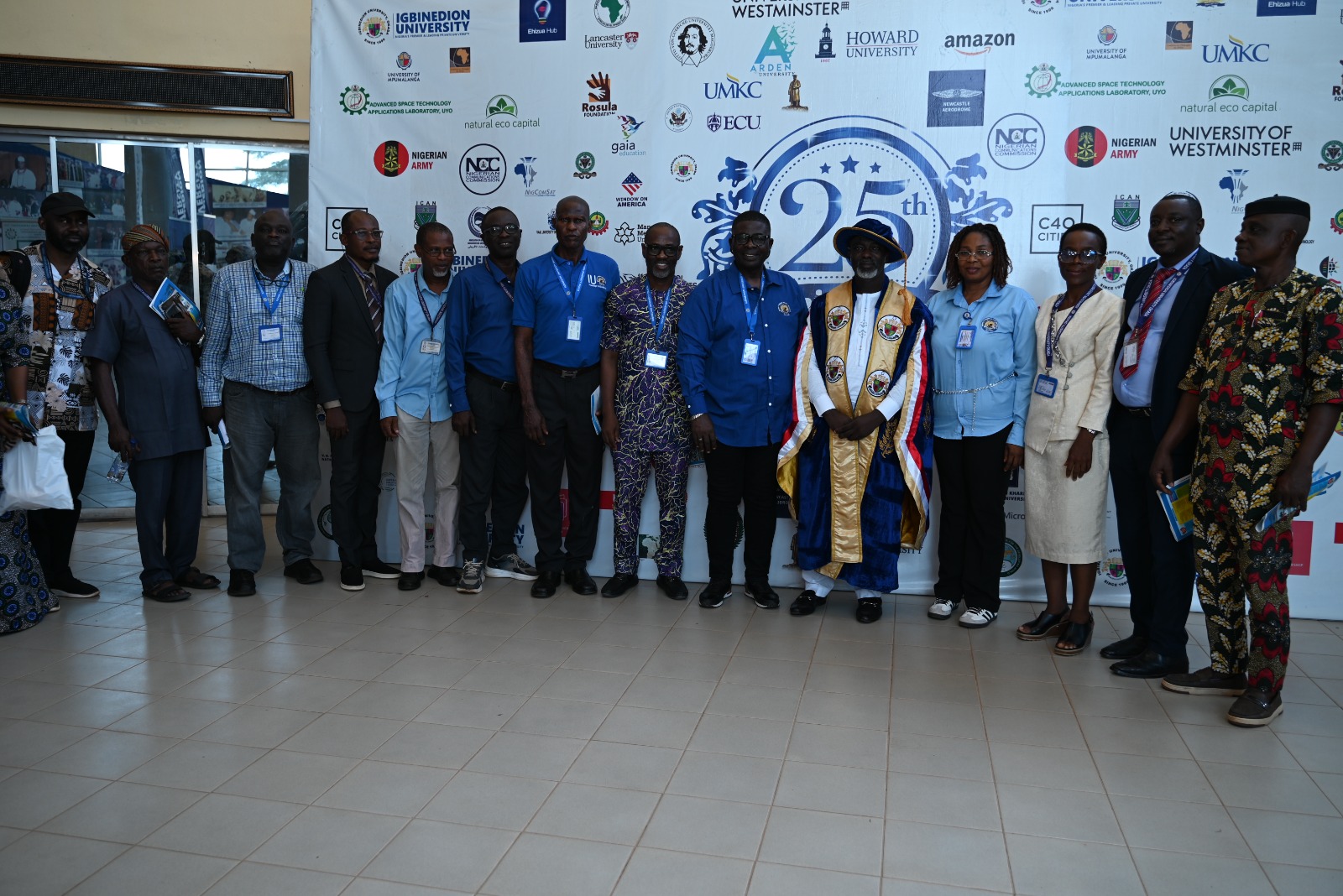
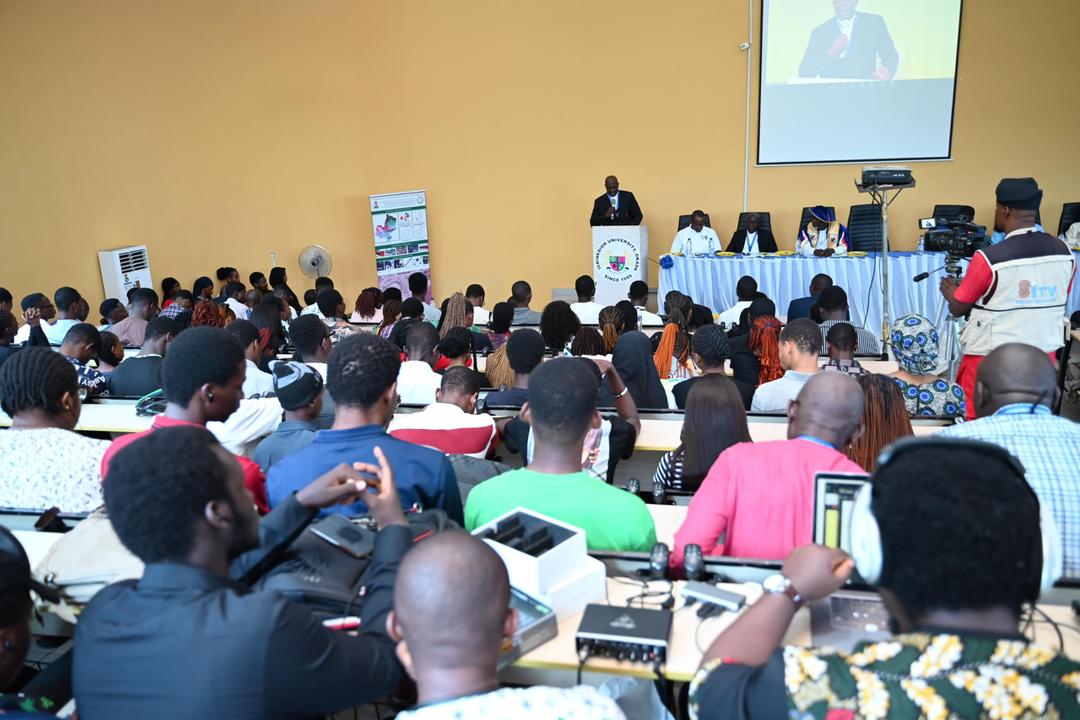
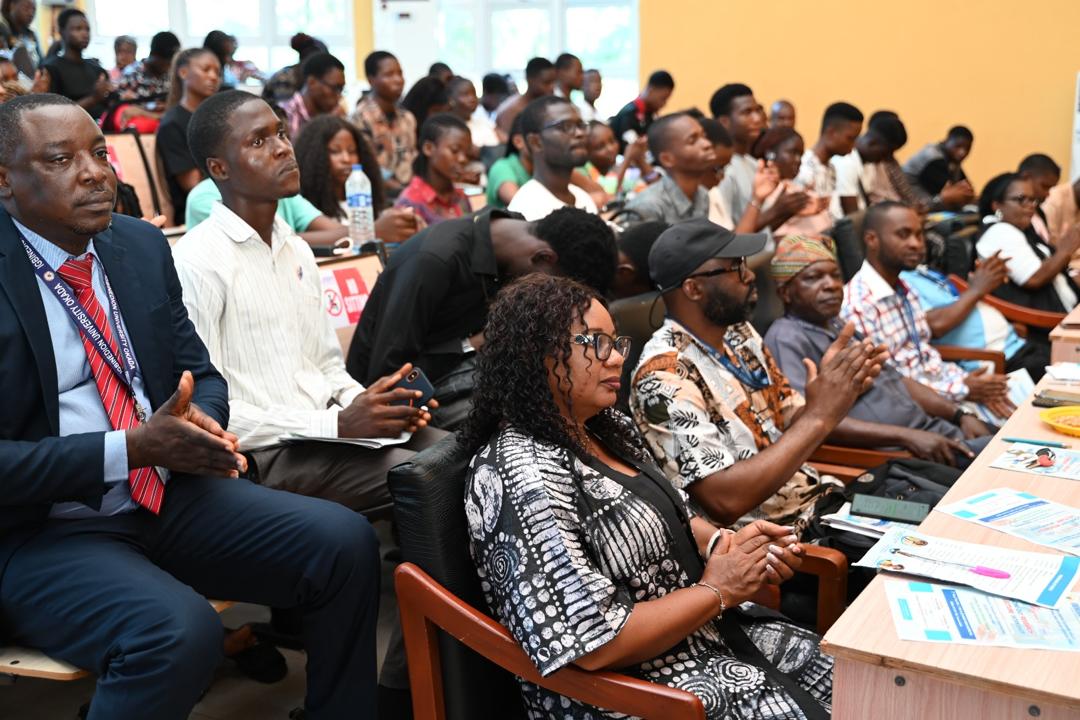
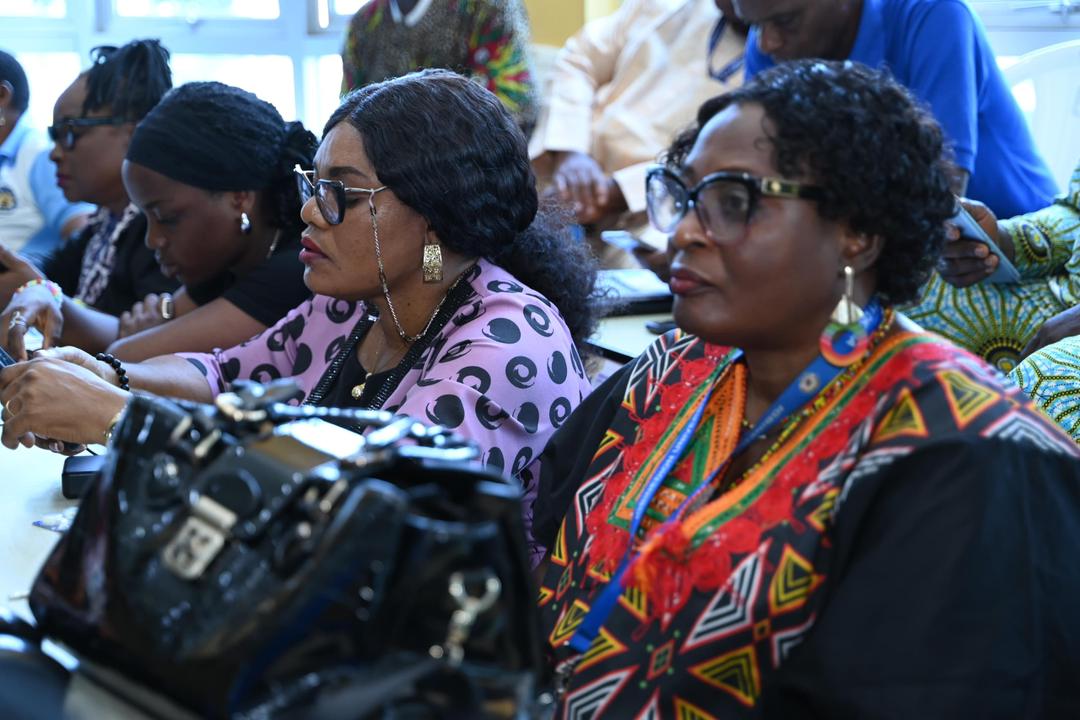
Adetunji made the call as the guest lecturer at a one-day workshop organised by the Oba Adeyeye Enitan Ogunwusi Ojaja II College of Natural and Applied Sciences (CNAS), Igbinedion University Okada (IUO), on Friday at the University Library Conference Hall, Okada, Edo State. The workshop, themed “Crafting the Grant-Winning Proposal: Research, Innovation and Grant Hunting,” focused on building scholars’ capacity in grant writing and impactful research.
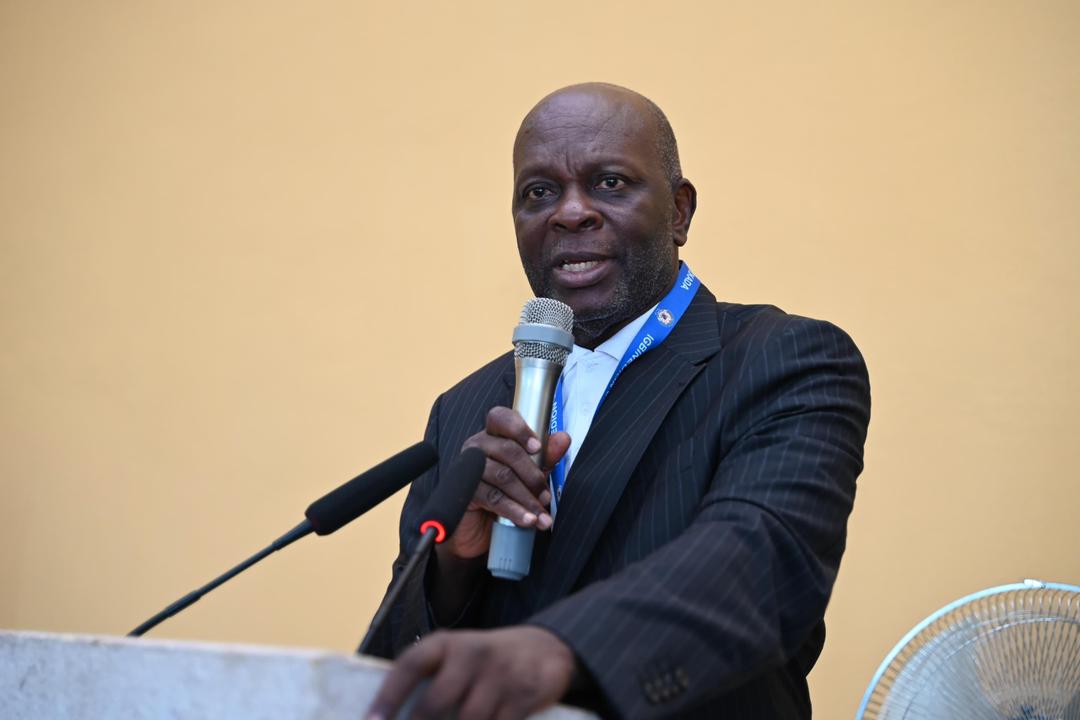
Speaking at the event, Prof. Adetunji of the Department of Microbiology, Edo State University, Iyamo, identified systemic institutional challenges rather than lack of individual expertise as the major barrier to research productivity in Nigeria “Research productivity is often constrained by institutional inefficiencies rather than intellectual limitations. Most problems are systemic, not individual,” he said. He listed administrative bottlenecks, fragmented workflows, delayed funding cycles, and weak approval systems as key obstacles, stressing that universities need structural reforms instead of piling more pressure on researchers.
Adetunji advocated measuring research productivity not just by publication count, but by efficiency, output quality, and real-world impact.
“Productivity is output multiplied by impact and divided by time. Administration can either become a multiplier or a major constraint,” he noted.
He advised emerging scholars to build strong profiles through specialised expertise, consistent publication in reputable journals, higher citations, and international collaborations. “Research begins with curiosity, not credentials,” he said, encouraging bold, problem-driven inquiries and mentorship.
The professor further urged universities to ensure research outputs translate into policy, innovation, and community development. “Imagine a society where research informs policy, innovation drives the economy, universities serve communities, and young minds solve local problems. That is the power of research beyond walls,” he declared.
Linking research to the Sustainable Development Goals (SDGs), Adetunji emphasised its role in addressing poverty, education, clean energy, climate change, and health issues, while noting that modern laboratories are now virtual, global, and interconnected.
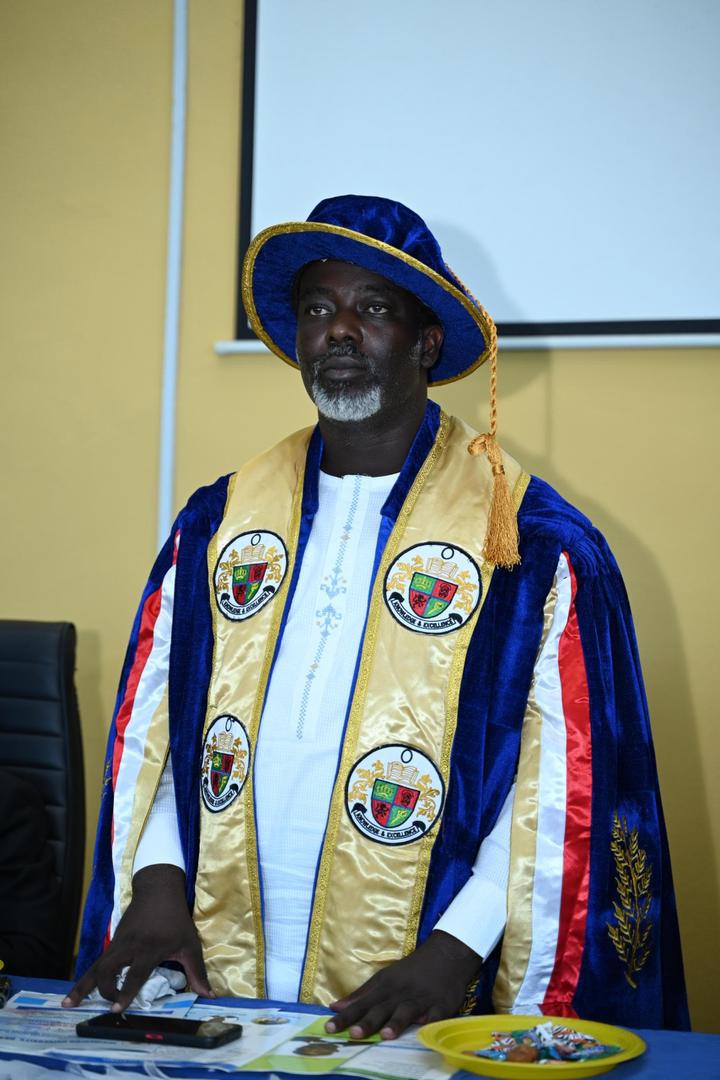
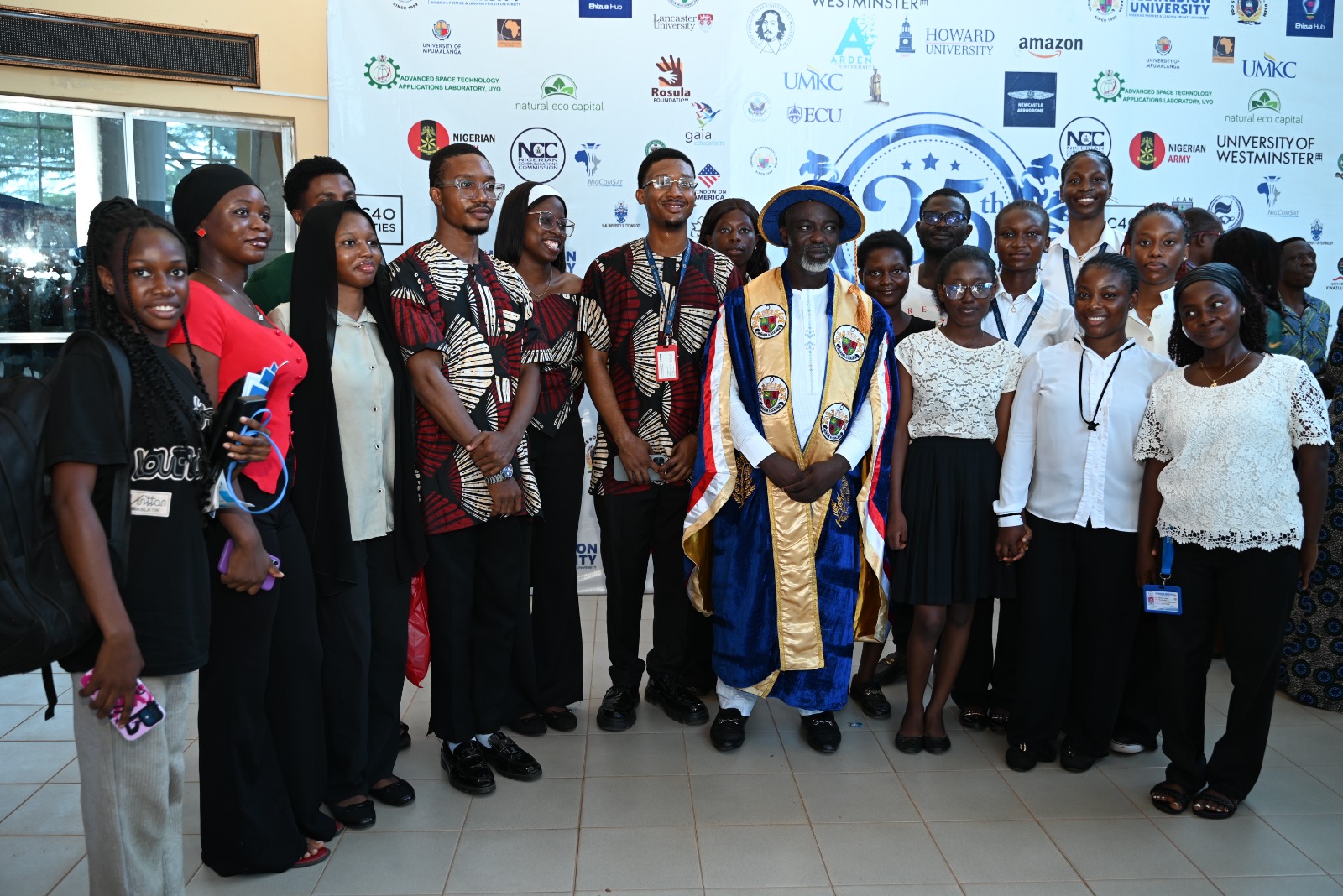
In his remarks, IUO Vice-Chancellor Prof. Lawrence Ezemonye, PhD, FAS, said the university is strategically repositioning itself for global competitiveness through increased research output and grant success. “This workshop is coming at a time when the university is really focusing on research. The university is thinking research, speaking research, and acting on research,” he said. Ezemonye described grant writing as essential for institutional sustainability and announced Adetunji’s appointment as Visiting Professor in the College to strengthen its research ecosystem.
The Acting Dean of CNAS, Prof. Maureen Okwu, described the workshop as timely, noting that securing competitive funding is now critical for university survival and growth in a knowledge driven world. She observed that many promising ideas fail not due to weak concepts, but because of poorly structured proposals that fail to align with funders’ priorities.
The workshop highlighted a growing consensus in Nigeria’s academia: the future of research lies in measurable impact, innovation, and global relevance rather than mere publication volume.