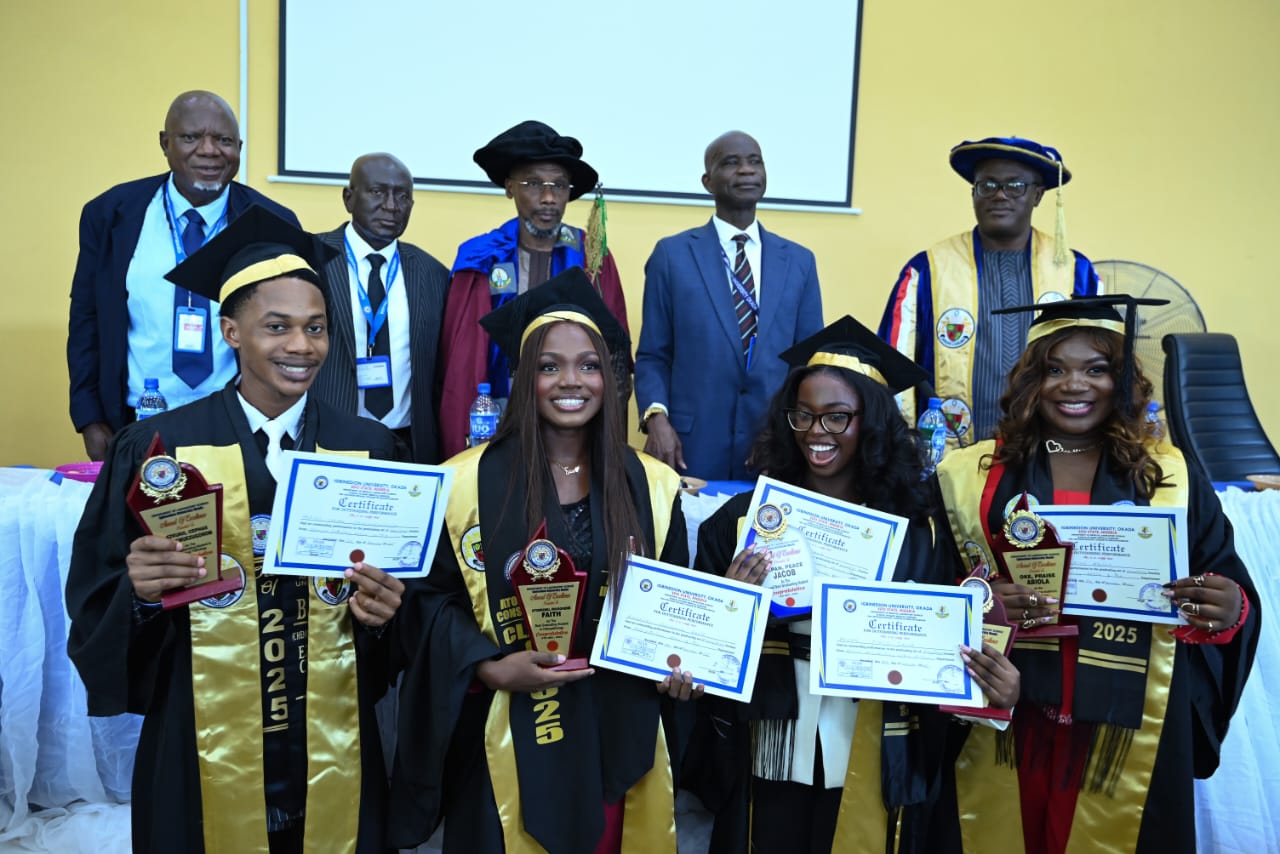
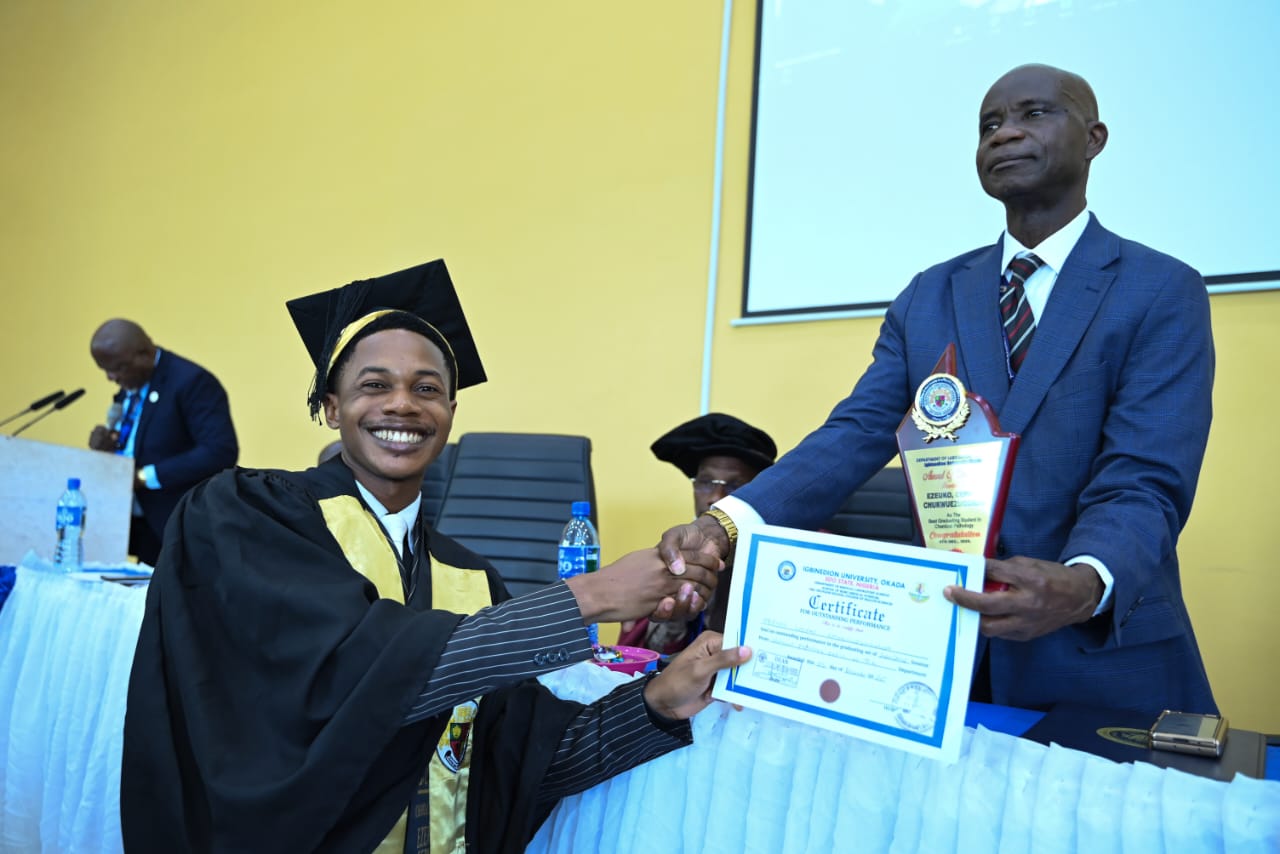
Igbinedion University, Okada, held its 16th Oath-Taking and Induction Ceremony for Medical Laboratory Scientists on Tuesday, December 9, 2025, welcoming 64 new graduates into the profession. The event underscored their vital role as guardians of the nation’s health security, framing their work as both a professional calling and a national duty.
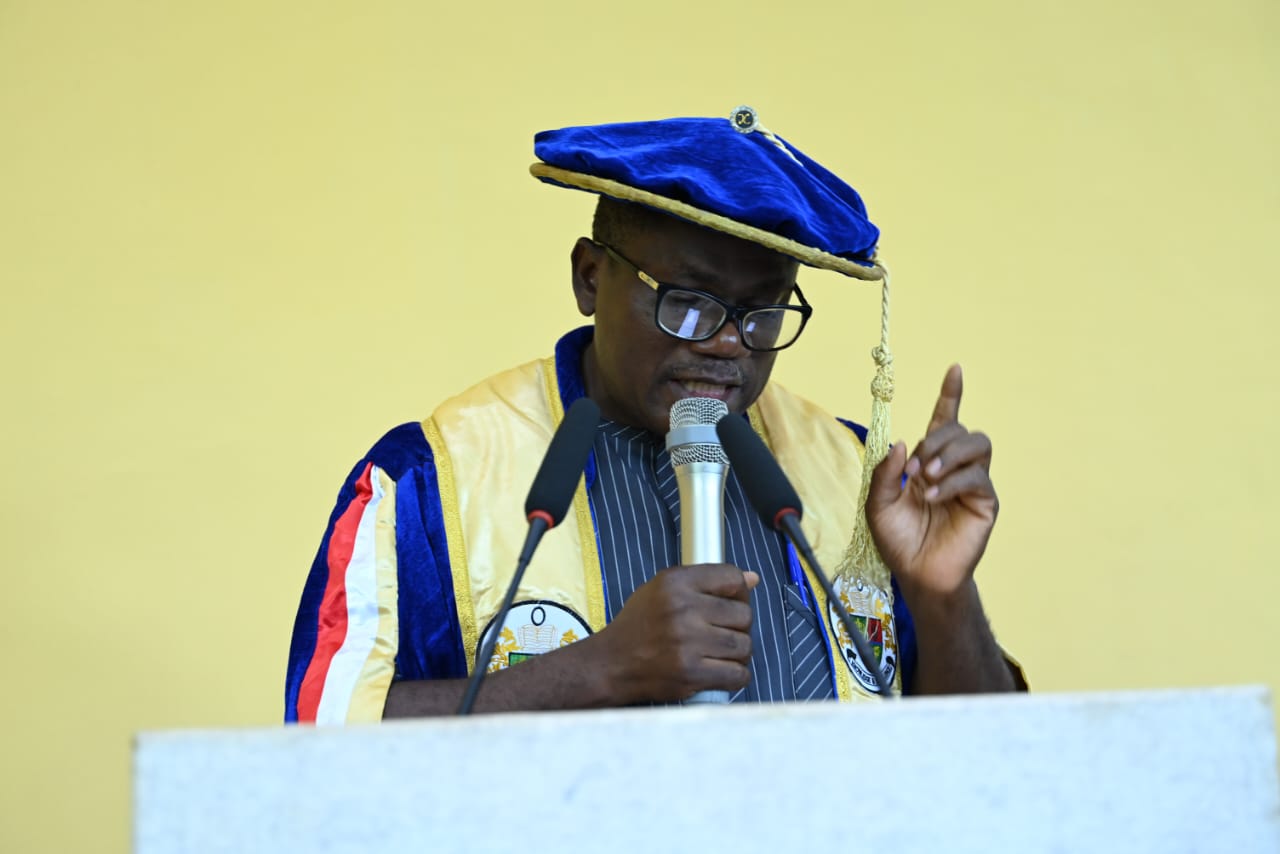
In an address delivered on behalf of the Vice-Chancellor, Professor Lawrence Ikechukwu Ezemonye, by the Deputy Vice-Chancellor, Professor Ralph Igbinosa Adeghe, the inductees were hailed as “problem-solvers, innovators, and nation-builders.” Reflecting on the programme’s journey since its inception in 2005, Professor Ezemonye credited its sustained growth and accreditation to the dedication of university staff and the support of the founder, Sir Chief (Dr.) Gabriel Osawaru Igbinedion.
Addressing the graduates, the Vice-Chancellor stated, “You are the finders of the ‘what’ in healthcare delivery—the torchbearers showing other healthcare professionals the right path.” He reminded them of the ethical foundations of their training—confidentiality, integrity, accuracy, and respect—and urged them to directly link laboratory science to patient care. Emphasising continuous development, he charged them to hone their attention to detail, embrace problem-solving and lifelong learning, foster interdisciplinary collaboration, and uphold the highest ethical standards.
“You are becoming custodians of Nigeria’s future,” he declared. “Go forth and build the infrastructure, strengthen our health sector security, and help build a stronger, more prosperous, and more secure Nigeria.”
The ceremony featured an induction lecture by Professor Chinedum Charles Onyenekwe, who defined national health security as “the safety of citizens from dangers associated with physical, biological, emotional, and social attacks.” He stressed the pivotal role of Medical Laboratory Scientists, noting that 60–70% of clinical decisions depend on laboratory results, effectively making them “laboratory espionage detectors” in disease surveillance and outbreak response.
Professor Onyenekwe also highlighted pressing challenges, including Nigeria’s rapidly growing population—projected to reach 359 million by 2050—and systemic issues such as brain drain (“JAPA syndrome”), outdated training curricula, and obsolete laboratory technology. He called for improved welfare packages to retain professionals, continuous curriculum reviews, and technological upgrades to fortify the healthcare value chain.
The event included a moment of reflection in honour of the late CEO/Registrar of the Medical Laboratory Science Council of Nigeria (MLSCN), Dr. Tosan Erhabor, an alumnus of the university. The presence of the MLSCN leadership was acknowledged as a testament to the graduates’ readiness and the programme’s standards.
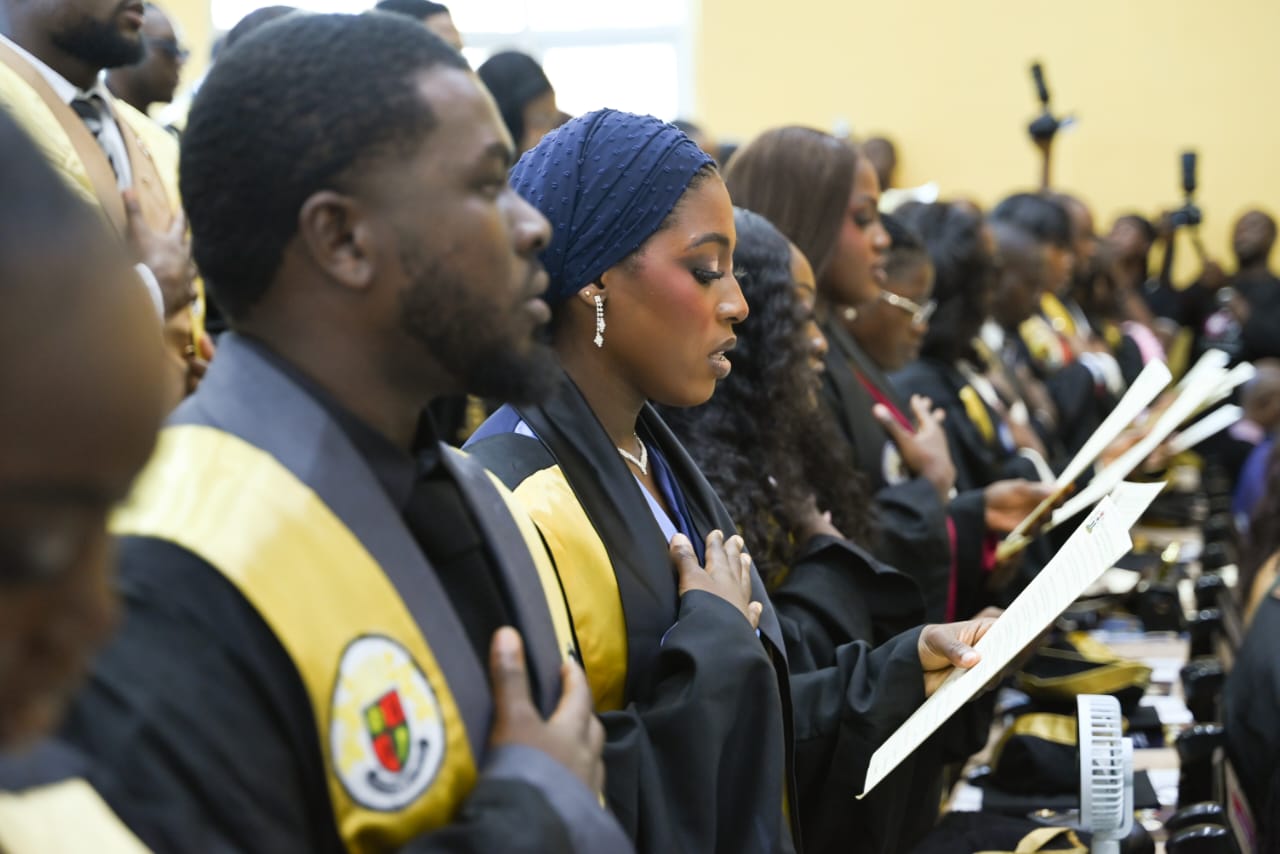
The inductees were formally presented to the MLSCN by the Head of the Department of Medical Laboratory Science, Igbinedion University, Dr. Daniel Ogbomoiko. Subsequently, the professional oath was administered to the inductees by Dr. Uchuno Gregory, Director of Scientist Regulation & Discipline at the MLSCN, who represented the Acting Registrar/CEO, Dr. Donald Ibe Ofili.
The inductees pledged to uphold the ethics of their profession and contribute to national health security—a commitment visibly affirmed by their resounding response to Professor Onyenekwe’s closing challenge: “Are you willing to be part of the national healthcare security architecture of Nigeria?”